Shirdi Sai Baba Life History
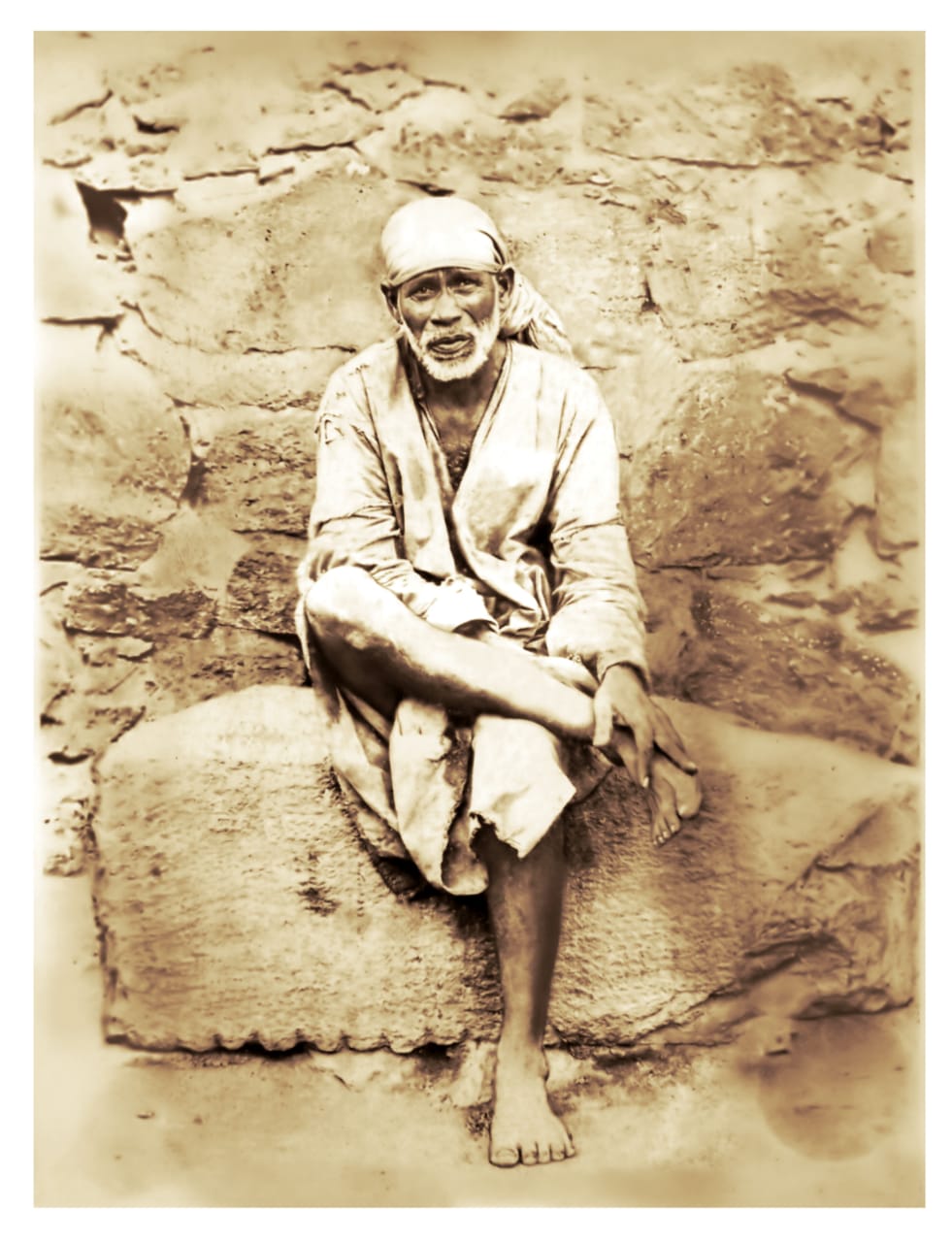
The life history of Shirdi Sai Baba (C.1838 - October 15, 1918) is a blend of historical accounts and spiritual lore. Revered globally for his message of religious harmony and selflessness, his teachings emphasized devotion, patience, and compassion.
Donate NowContact UsEarly Life and Origins
The exact details of Shirdi Sai Baba's birth are unknown, as he rarely spoke of his past. His legacy is defined by his 60-year residency in the village of Shirdi.
Birth
Most accounts estimate his birth between 1835 and 1838. Some traditions suggest he was born into a Brahmin family in Pathri (Maharashtra) and was later raised by a Sufi fakir.
Guru
He spent about 12 years with his Guru, often identified as Venkusa (Gopal Rao Deshmukh), before arriving in Shirdi.
Arrival in Shirdi
Shirdi Sai Baba first appeared in the village of Shirdi in Ahmednagar district of Maharashtra, around 16 years of age. He was first seen sitting in meditation under a Neem tree, leading a life of detachment and austerity.
Life in Shirdi
Shirdi Sai Baba lived in a mosque called "Dwarkamai" for most of his life, which became a symbol of religious harmony. He lived as a mendicant, shared food with others, and kept a perpetual fire called "Dhuni", distributing its ash (Udi) to devotees.
Core Teachings
- Shradha (Faith): Unwavering devotion and trust in the Divine.
- Saburi (Patience): Ability to wait calmly and persevere through life’s trials.
- Declared: "Sabka Malik Ek" (One God governs all), emphasizing unity beyond caste or creed.
Famous Miracles (Leelas)
- Lighting lamps with water when local grocers refused oil.
- Healing the sick and protecting devotees from natural disasters.
- Revealing knowledge of devotees’ private thoughts or distant events.
- Helping find missing items, like the missing horse of Chand Bhai.
- Healing with "Udi" from the sacred Dhuni fire.
The Samadhi Mandir
Shirdi Sai Baba left his physical body on October 15, 1918 (Vijayadashami) and was buried in the Buty Wada, now the Samadhi Mandir. The temple blends Hindu and Islamic architecture, symbolizing unity. The main idol of Baba, made of white marble, is seated on a throne, inspiring devotion and reflection.